Best Time to Visit Nova Scotia (Month by Month)
Last checked Oct 28, 2026. Weather figures in this guide are Environment Canada’s 1981–2010 Canadian Climate Normals for Halifax Stanfield International Airport. Seasons come from Tourism Nova Scotia, Parks Canada, Fisheries and Oceans Canada and the ferry and bridge operators, linked in each section. Where we couldn’t find an official figure, we left it out. Schedules change, so check before you go.
Heads up: some links in this guide are affiliate links. If you book through them, Moonlight Travel may earn a small commission at no extra cost to you. It helps keep our guides free. Read our affiliate disclosure.
The best time to visit Nova Scotia depends on what you came for. Summer brings the warmest weather, whale watching and puffins. Early fall adds harvest season and, in October, the famous colours on the Cabot Trail. Winter and spring are quiet and cheaper, but much of the rural province closes for the season. Here’s what each month is really like, based on official weather data and season dates rather than guesswork.
In this guide
Quick answer: the best time to visit Nova Scotia
- Best overall: July to September. July and August are the warmest months in Halifax, with average highs of 23.8°C and 23.6°C, and September still averages 19.4°C.
- Fall colours: early to mid-October on the Cabot Trail, according to Tourism Nova Scotia.
- Whales: June to September for the best viewing; the season runs late May through October.
- Puffins: mid-May to late August on Cape Breton’s Bird Islands.
- Fewer crowds and lower prices: late fall to spring, if you don’t mind closures and cold.
Planning a trip around the season? Our 7-day Nova Scotia road trip itinerary works best from June to early October.
Nova Scotia by season
Summer (June to August)
This is peak season. Halifax’s average daily high climbs from 20.4°C in June to 23.8°C in July, and nights stay mild. Tours, ferries, seasonal restaurants and the Cabot Trail’s services are all running. The trade-off is busier roads and higher demand for rooms and rental cars, so book early.
Fall (September to November)
September is still warm (average high 19.4°C), with the summer crowds thinning. October brings fall colour and cooler days (average high 13.1°C). By November, Halifax averages its wettest month of the year at about 154 mm of precipitation, and many seasonal businesses close.
Winter (December to February)
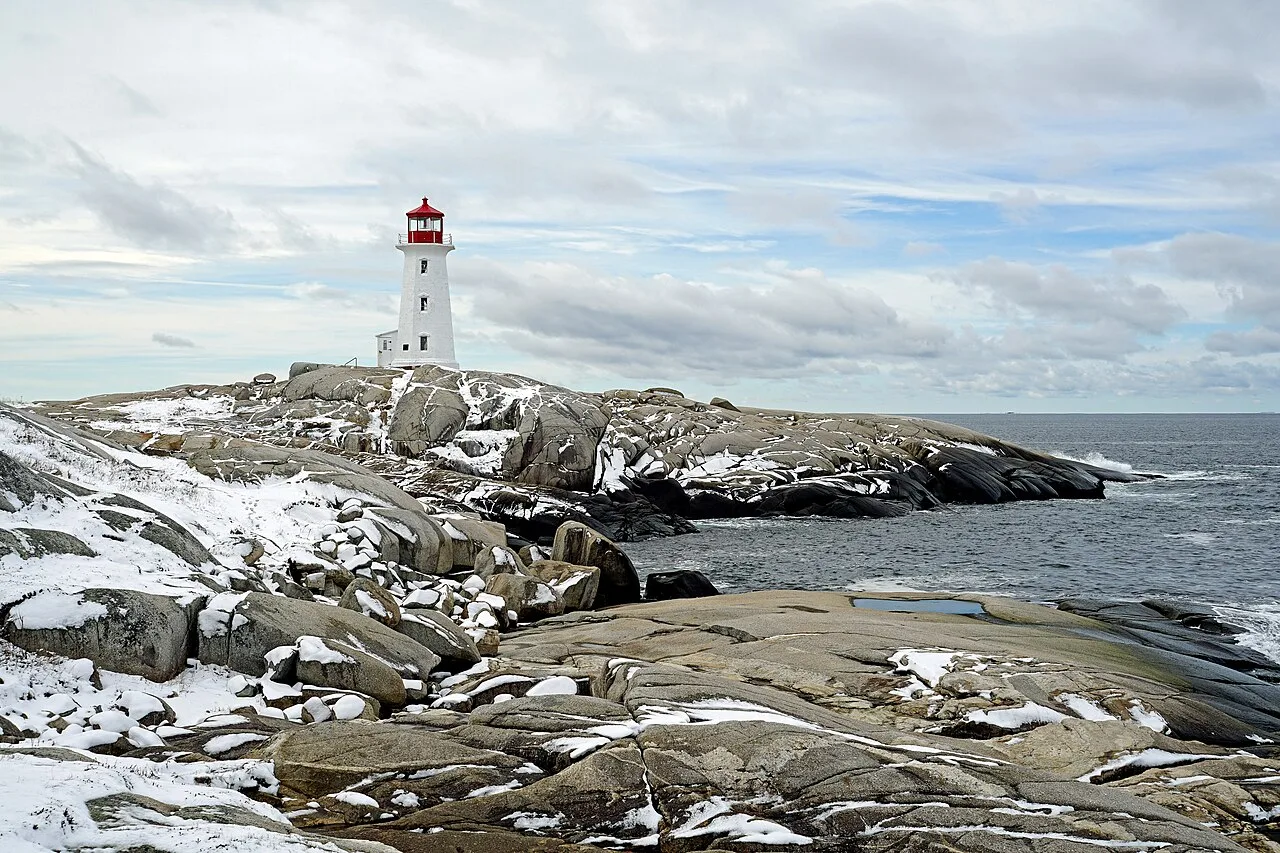
Winter is cold and snowy. January is the coldest month, averaging a high of −1.3°C and a low of −10.4°C, with about 58 cm of snow at Halifax’s airport. It suits a city break in Halifax or a quiet inn weekend; see our Halifax weekend getaways for ideas that work off-season.
Spring (March to May)
Spring arrives slowly. March still averages 37 cm of snow, and April a high of only 9.1°C. By May (average high 15.3°C) things wake up: the first whale and puffin tours start, and Cape Breton Highlands National Park’s visitor centres open in mid-May.
Month-by-month guide
Here are Environment Canada’s climate normals for Halifax Stanfield International Airport (1981–2010). The airport is inland, so the coast and Cape Breton can feel different, but it is a good guide to the pattern of the year.
| Month | Avg high (°C) | Avg low (°C) | Rain (mm) | Snow (cm) | Total precip. (mm) |
|---|---|---|---|---|---|
| January | −1.3 | −10.4 | 83 | 58 | 134 |
| February | −0.6 | −9.7 | 65 | 45 | 106 |
| March | 3.1 | −5.7 | 87 | 37 | 120 |
| April | 9.1 | −0.3 | 98 | 16 | 115 |
| May | 15.3 | 4.6 | 110 | 2 | 112 |
| June | 20.4 | 9.7 | 96 | 0 | 96 |
| July | 23.8 | 13.7 | 96 | 0 | 96 |
| August | 23.6 | 13.7 | 93 | 0 | 93 |
| September | 19.4 | 9.7 | 102 | 0 | 102 |
| October | 13.1 | 4.2 | 125 | 0 | 125 |
| November | 7.3 | −0.4 | 139 | 17 | 154 |
| December | 1.7 | −6.4 | 102 | 45 | 143 |
- January: average high −1.3°C, low −10.4°C, about 134 mm of precipitation including 58 cm of snow. The coldest month. Good for Halifax museums and restaurants; many rural attractions are closed.
- February: average high −0.6°C, low −9.7°C, about 106 mm of precipitation including 45 cm of snow. Still deep winter. Quietest time of year for travel.
- March: average high 3.1°C, low −5.7°C, about 120 mm of precipitation including 37 cm of snow. Snow is still common. A good month for a cheap city break.
- April: average high 9.1°C, low −0.3°C, about 115 mm of precipitation including 16 cm of snow. Cool and wet. Lobster season opens in several Cape Breton and Eastern Shore fishing areas.
- May: average high 15.3°C, low 4.6°C, about 112 mm of precipitation including 2 cm of snow. Spring finally arrives. Puffin tours begin mid-May, and the first whale tours start late in the month.
- June: average high 20.4°C, low 9.7°C, about 96 mm of precipitation. Long days and green landscapes. Most Bay of Fundy whale tours begin mid-June, and the PEI ferry season opens.
- July: average high 23.8°C, low 13.7°C, about 96 mm of precipitation. The warmest month and peak season. Book rooms and cars early.
- August: average high 23.6°C, low 13.7°C, about 93 mm of precipitation. Warm and busy. Prime time for whales; puffin tours wind down late in the month.
- September: average high 19.4°C, low 9.7°C, about 102 mm of precipitation. Warm days, fewer crowds and harvest season. Arguably the best balance.
- October: average high 13.1°C, low 4.2°C, about 125 mm of precipitation. Fall colours peak on the Cabot Trail in early to mid-October. Cape Breton Highlands visitor centres close October 25.
- November: average high 7.3°C, low −0.4°C, about 154 mm of precipitation including 17 cm of snow. Wet and grey, with many seasonal closures. Southwest Nova Scotia’s lobster season opens late in the month.
- December: average high 1.7°C, low −6.4°C, about 143 mm of precipitation including 45 cm of snow. Holiday season in Halifax. The PEI ferry stops sailing December 20 in 2026.
Best time for whale watching
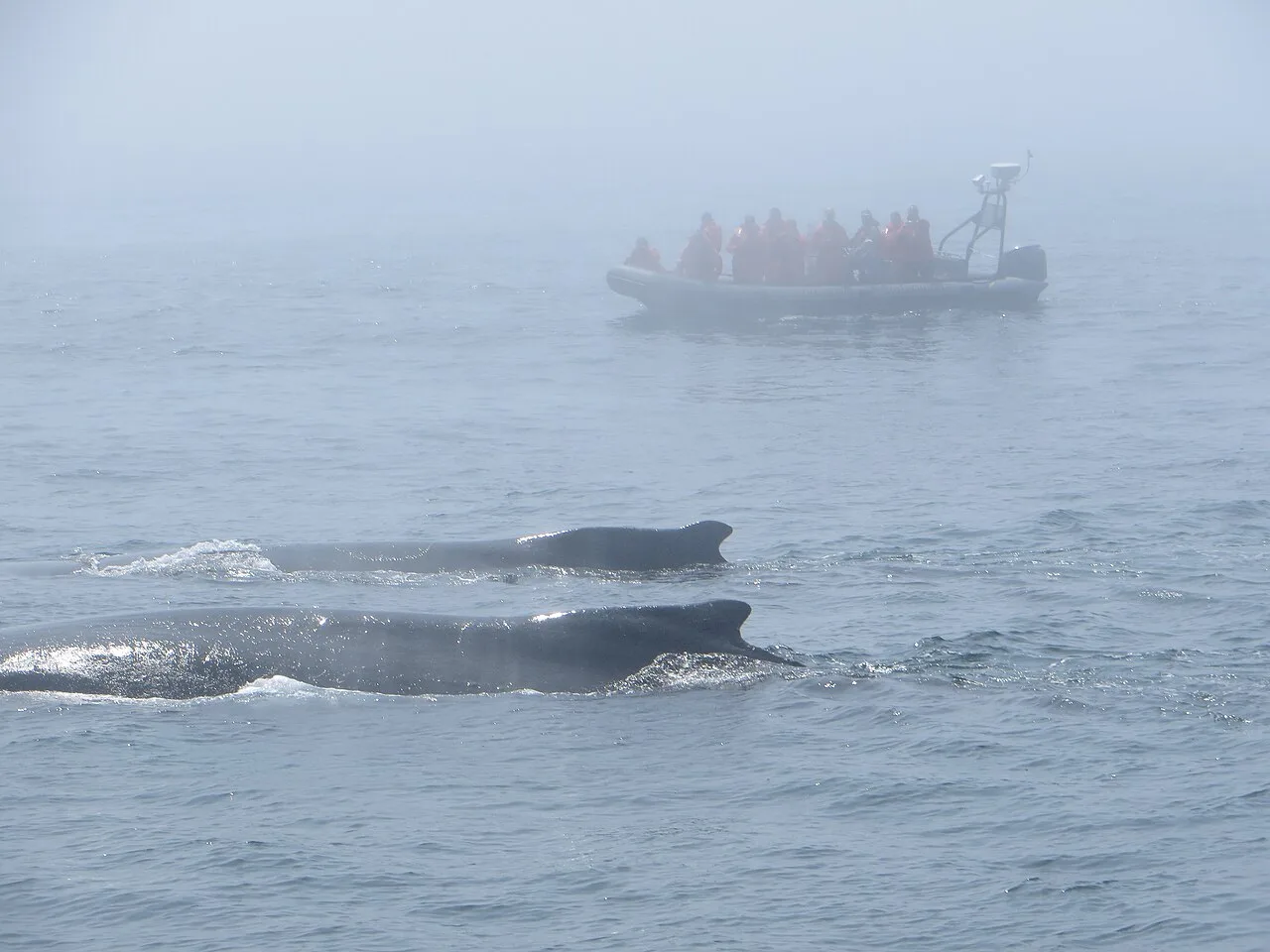
Tourism Nova Scotia says whale watching season typically runs from late May through October, with the best viewing often from June to September. Humpback, minke, finback and pilot whales are the species most often seen. The Bay of Fundy is the classic place to go; tours from Digby Neck, Tiverton and Brier Island run between June and October, according to Tourism Nova Scotia’s whale watching guide. Cape Breton operators sail from Pleasant Bay, Chéticamp and Ingonish on the Cabot Trail.
Planning a trip there? See Bay of Fundy tours from Halifax.
Season dates vary by operator. Several Fundy operators listed by Tourism Nova Scotia start in mid-June and stop in late September or mid-October, so book with your travel dates in mind. No one can promise a particular species on a given day.
Fall colours on the Cabot Trail
Fall colour is one of the best reasons to visit. Tourism Nova Scotia says late September through mid-October is typically the sweet spot province-wide, with Cape Breton often peaking earlier than southern regions. On the Cabot Trail, early to mid-October is generally best, and traffic can be heavier on peak weekends. Timing shifts every year with weather and elevation, as Tourism Nova Scotia notes.
Go before October 25 if you can: that’s when the visitor centres in Cape Breton Highlands National Park close for the season, per Parks Canada. Our Cabot Trail road trip itinerary has the full route, hikes and lookoffs.
Lobster and seafood season
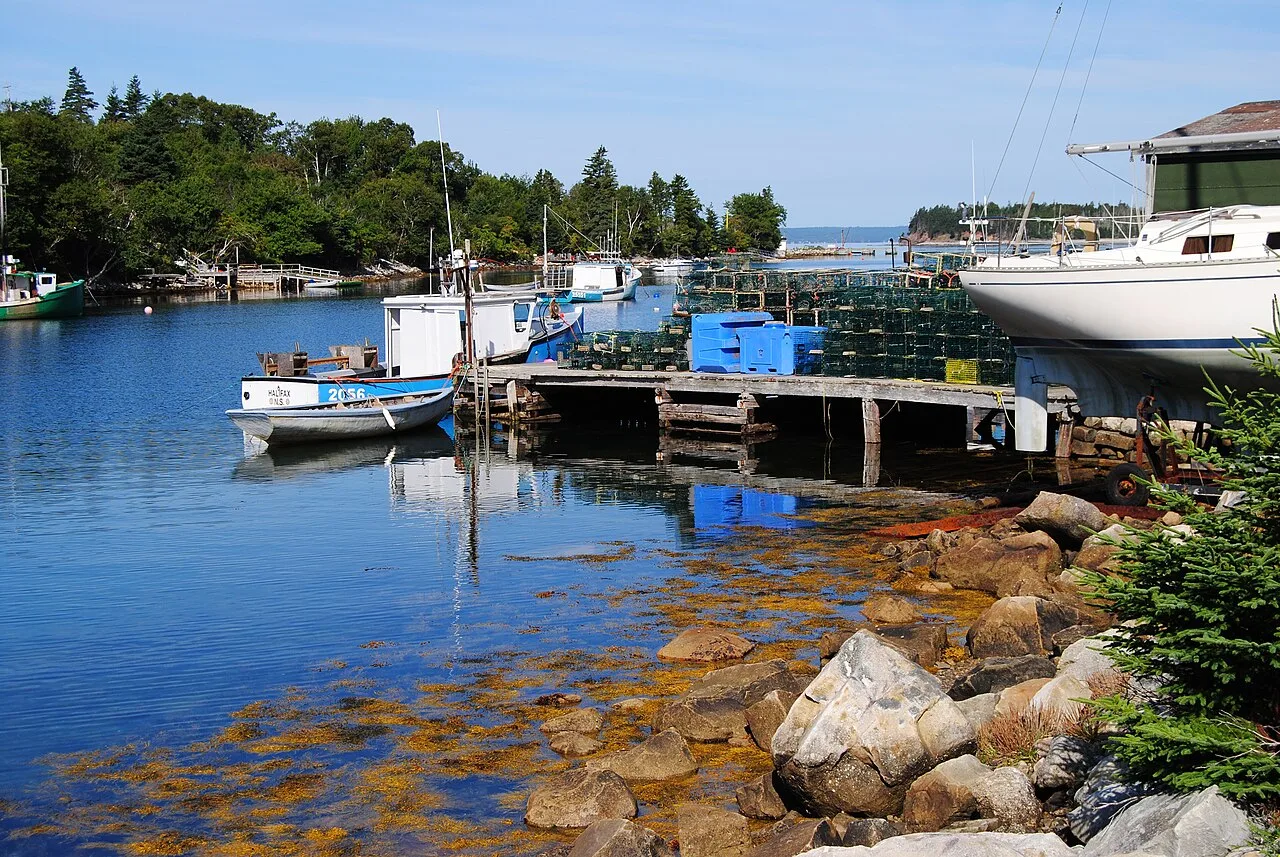
You can order lobster in Nova Scotia year-round, but it’s landed locally only when the nearby fishery is open, and that differs by area. Fisheries and Oceans Canada’s 2026 season dates for Lobster Fishing Areas 27 to 32 (northern Cape Breton to near Halifax) run in spring and early summer: for example, April 9 to June 10 in LFA 32 near Halifax and May 8 to July 8 in LFA 27 off eastern Cape Breton.
Southwest Nova Scotia (LFAs 33 and 34) is Canada’s largest lobster fishery. According to a Government of Canada briefing note, it is scheduled to open on the last Monday in November (“Dumping Day”), weather permitting, and runs until the end of May. Summer visitors will still find lobster suppers, wharf shacks and seafood restaurants across the province.
Puffins and wildlife
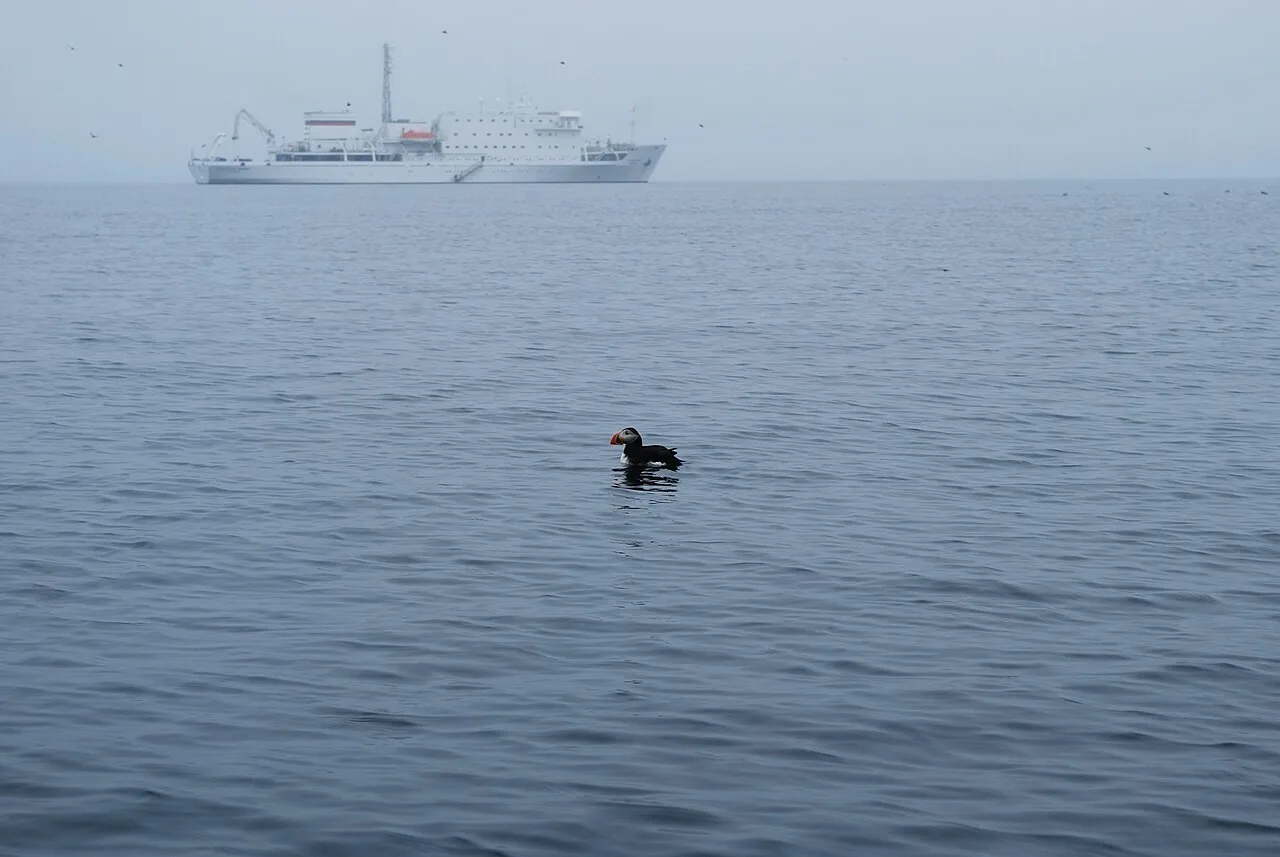
Atlantic puffins nest on the Bird Islands off Cape Breton, near the Cabot Trail. Bird Island Boat Tours, as listed by Tourism Nova Scotia, runs daily tours from mid-May to late August and guarantees puffins from May 15 until mid to late August. After that, the birds head out to sea. Tours also look for seals and bald eagles.
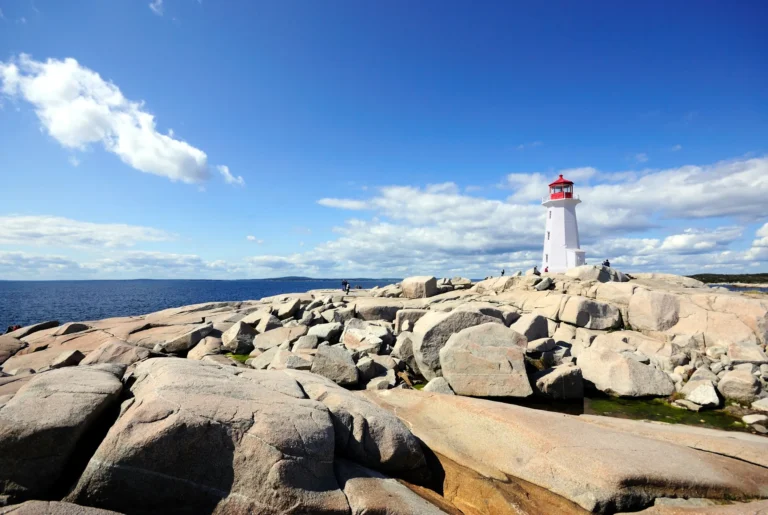
Closer to Halifax, summer is also the time for coastal hikes and seabird spotting. For a classic short trip from the city, see our Peggy’s Cove tours from Halifax guide and stay well back from the dark, wet rocks.
Cheapest time to visit
The cheapest time to visit Nova Scotia is usually late fall through early spring, when demand is lowest. We haven’t published average price figures because they change constantly; compare live prices for your own dates. Just know what you’re trading: many seasonal inns, restaurants and tours close, days are short and winter driving can be tricky.
Early June and late September are good compromises, with most things open and fewer visitors than midsummer. Renting a car is the easiest way to get around outside Halifax. Compare rental car prices on Discover Cars for your dates, and read our Halifax airport car rental guide before you book.
Visiting Nova Scotia and PEI together
Many people pair Nova Scotia with Prince Edward Island. The easiest time is during the ferry season: Northumberland Ferries sails from Caribou, near Pictou, to Wood Islands in about 75 minutes, and its 2026 season runs June 15 to December 20. Year-round, the Confederation Bridge links New Brunswick and PEI.
Summer to early fall is the best window for a combined trip, when beaches, farms and seasonal restaurants on both sides are open. See our PEI road trip itinerary, or go bigger with our Atlantic Canada road trips.
What to pack
- Layers year-round. Even in July, Halifax’s average low is around 14°C, and coastal wind and fog can feel much cooler.
- A waterproof jacket. Precipitation is spread across the whole year, with no truly dry month in the climate normals.
- A warm hat and windproof layer for boat tours, even in summer.
- Hiking shoes with good grip for coastal trails and the Cabot Trail lookoffs.
- Winter gear (insulated boots, coat, gloves) from December to March.
FAQ
What is the best month to visit Nova Scotia?
For most travellers, July to September. Environment Canada climate normals for Halifax show July and August as the warmest months, with average highs around 24°C, and September is still mild. Whale watching tours, puffin tours and the PEI ferry all run in summer. For fall colours on the Cabot Trail, Tourism Nova Scotia points to early to mid-October.
When is whale watching season in Nova Scotia?
Tourism Nova Scotia says the whale watching season typically runs from late May through October, with the best viewing often from June to September. Many Bay of Fundy operators sail from mid-June to late September or mid-October, so check each operator's dates.
When do the leaves change on the Cabot Trail?
Tourism Nova Scotia says early to mid-October is generally the best time for peak colour on the Cabot Trail, and that colour timing varies every year with weather and elevation.
When is lobster season in Nova Scotia?
It depends on the area. Fisheries and Oceans Canada lists different seasons for each Lobster Fishing Area, from spring seasons in Cape Breton and the Eastern Shore to the southwest Nova Scotia fishery, which is scheduled to open on the last Monday in November and runs to the end of May. Restaurants serve lobster year-round, but these seasons are when it is landed locally.
When can you see puffins in Nova Scotia?
The main place is the Bird Islands off Cape Breton. Bird Island Boat Tours, listed by Tourism Nova Scotia, runs daily tours from mid-May to late August and guarantees puffins from May 15 until mid to late August.
What is the cheapest time to visit Nova Scotia?
Late fall, winter and early spring are usually the quietest and least expensive times, but many seasonal attractions, restaurants and inns close or cut hours, and the PEI ferry and Cape Breton Highlands visitor centres are closed. Compare current prices for your dates rather than relying on averages.
Is Nova Scotia worth visiting in winter?
Yes for a city break or a cozy inn weekend, but expect cold and snow. Environment Canada normals for Halifax show January averaging a high of −1.3°C and about 58 cm of snow. Many rural attractions are seasonal, so check opening dates first.
Whenever you go, leave time to slow down. More ideas are in our travel guides.
Nova Scotia trip essentials
Tools we’d use ourselves. Always check current prices and terms before you book.
- Flights to HalifaxCompare fares to YHZ. Search flights →
- Car rentalCompare companies in one search. Search Discover Cars →
- Full itineraryMake it a week. Nova Scotia in 7 days →
Related guides



The Moonlight Letter
Get Halifax & Atlantic Canada travel deals
Cheap-flight finds from YHZ, road-trip ideas and new guides, straight to your inbox.
We'll only use your email to send Moonlight Travel deals and guides. Unsubscribe anytime. See our Privacy Policy.