Halifax to Banff: How to Get to Moraine Lake and the Ten Peaks
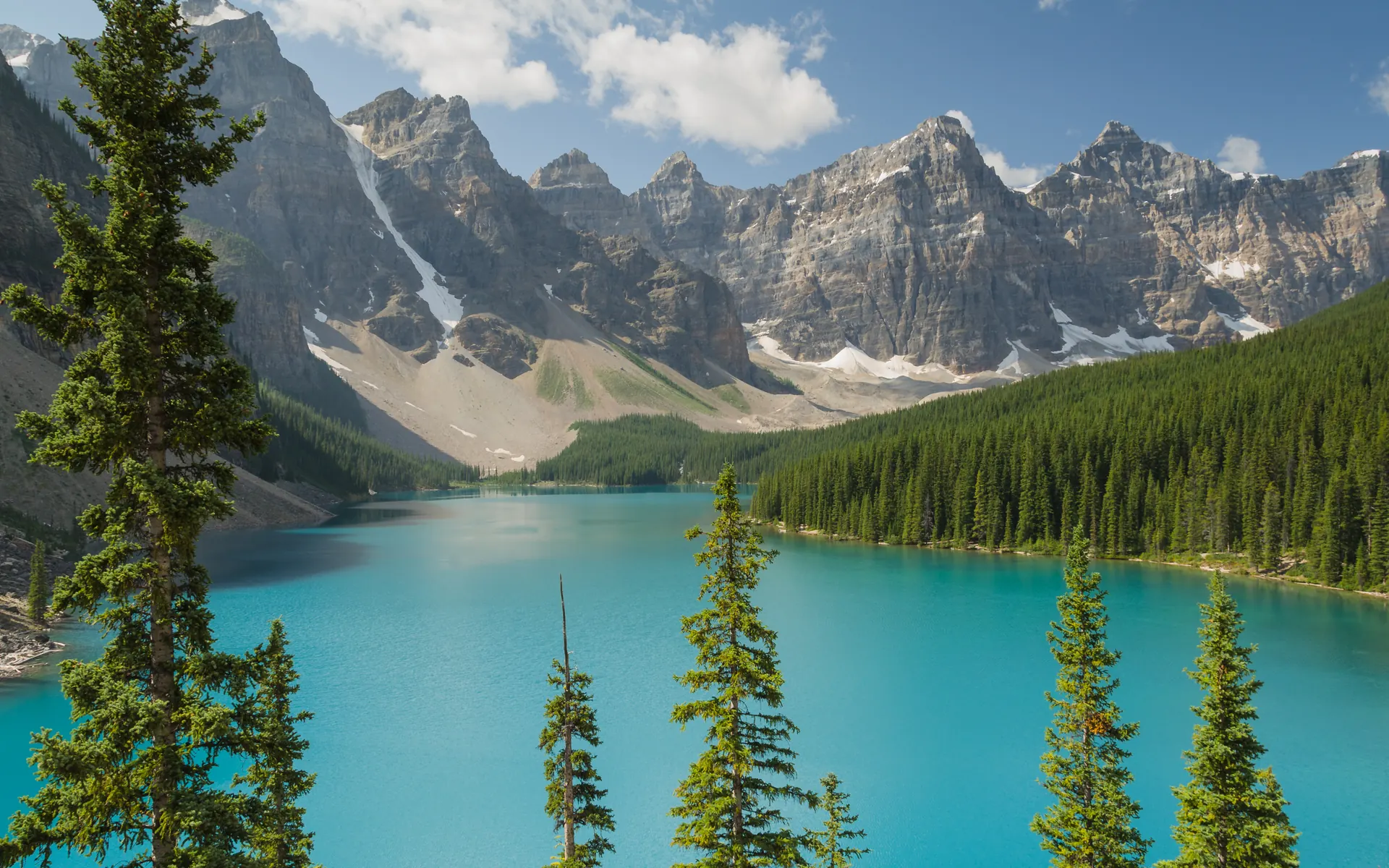
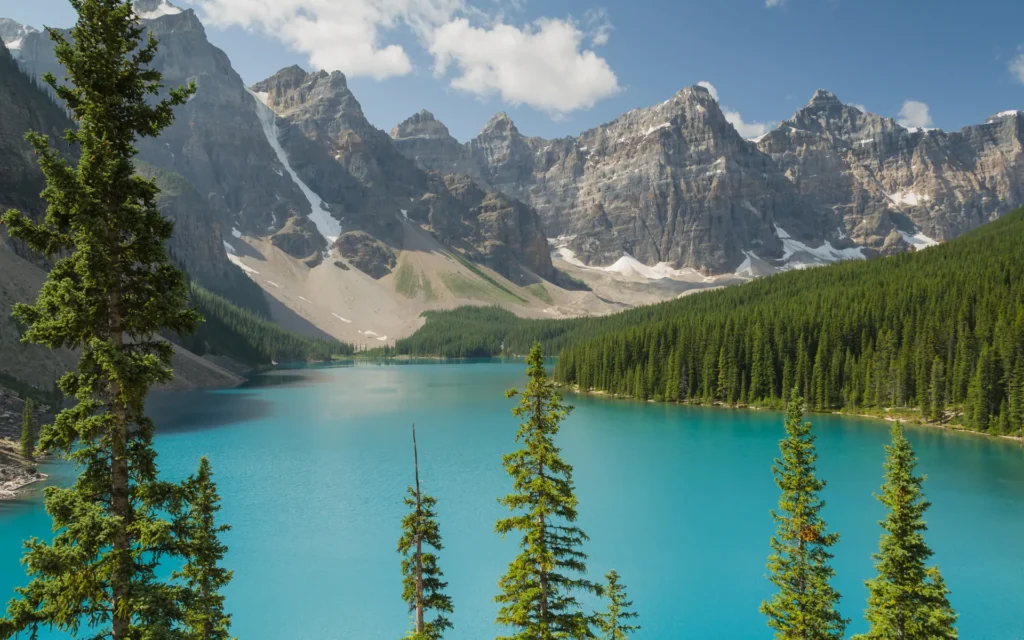
Moraine Lake is the view that launched a thousand screensavers: impossibly turquoise water, a wall of jagged summits called the Valley of the Ten Peaks, and a forest of spruce running down to the shore. The best part for anyone in Nova Scotia? It’s in Canada. No passport, no currency exchange, just one flight from Halifax to Calgary and a scenic drive or bus ride into the mountains.
The catch is that Moraine Lake has become one of the most tightly managed spots in the country. You can’t simply drive up anymore, and the shuttle seats sell out. This guide walks you through the whole trip from Halifax: the flight, the transfer from Calgary airport, how the Parks Canada shuttle works, when the lake is open, and how to keep costs down. Every rule and schedule below links to its official source so you can check the latest before you book.
Heads up: some links in this guide are affiliate links. If you book through them, Moonlight Travel may earn a small commission at no extra cost to you. It helps keep our guides free. Read our affiliate disclosure.
In this guide
Halifax to Banff at a glance
| Trip facts | Details |
|---|---|
| Fly into | Calgary (YYC). WestJet flies Halifax–Calgary non-stop, year-round |
| Calgary to Banff | Banff is 128 km west of Calgary, about 1.5 hours by highway |
| Banff to Lake Louise | Lake Louise is about 55 km west of the Town of Banff |
| Moraine Lake access | No personal vehicles, ever. Parks Canada shuttle, Roam Transit Super Pass, or a licensed tour |
| Moraine Lake season | Early June to mid-October (2026 shuttle season: June 1 to October 12, weather permitting) |
| Park pass | Required if you stop anywhere in Banff National Park |
| Time zone | Alberta is on Mountain Time, three hours behind Halifax |
Step 1: Fly from Halifax to Calgary
Calgary International Airport (YYC) is the closest big airport to Banff, Lake Louise and Moraine Lake, so it’s where almost every trip from Atlantic Canada starts. According to Halifax Stanfield’s non-stop flight list, WestJet flies Halifax to Calgary non-stop year-round, up to four times a day at peak. That’s plenty of choice, and usually a flight that lands in time to reach Banff the same day.
A few tips for this route:
- Morning departures are gold. Because you gain three hours flying west, an early flight from Halifax can land in Calgary before lunch, leaving the afternoon for the transfer to Banff.
- Compare connections too. If the non-stop fare is high on your dates, a one-stop routing through Toronto or Montréal on another airline can sometimes come in cheaper. A flight search engine such as Aviasales compares them all in one go.
- Look at Edmonton for Jasper. WestJet also flies Halifax–Edmonton non-stop year-round, the more natural gateway if Jasper is your main goal.
We don’t quote fares, because they change by the hour. For the bigger picture on which routes out of YHZ tend to offer the best value, see our guide to the cheapest places to fly from Halifax.
Step 2: Calgary airport to Banff
The Town of Banff puts Banff 128 kilometres west of Calgary, about an hour and a half by highway depending on where you start and whether you stop in Canmore. You have two good ways to cover it.
Option A: Take an airport shuttle
If Moraine Lake and the town of Banff are your main stops, you can do this trip without a car. The Town of Banff lists several scheduled operators between Calgary and Banff, including Banff Airporter, Brewster Express, FlixBus and others, with fares that vary by season and how early you book. Shuttles from the airport typically take around two hours because they stop at hotels.
Give yourself a buffer after landing. Banff Airporter suggests allowing about 45 minutes after a domestic arrival to collect your bags and reach its desk before your shuttle time.
Parking in Banff is tight in summer, so going car-free is often less stressful as well as cheaper. In town, Roam Public Transit connects Banff with Lake Louise and other big sights.
Option B: Rent a car at YYC
A rental car makes sense if you want to explore beyond the town: the Icefields Parkway, Yoho, Kootenay or Canmore on your own schedule. Compare companies at the airport with DiscoverCars or Economybookings before you pick one, and check the total price including insurance and any mileage limits.
Two things to know before you drive:
- Moraine Lake Road is closed to personal vehicles year-round, so even with a car you’ll take a shuttle for that part (more below).
- Winter tires matter. Parks Canada says snow tires (with the snowflake or “M+S” symbol) or chains are required by law on the Icefields Parkway and the Banff-Windermere Highway in Banff National Park from November 1 to March 31, or whenever the roads are snow-covered. Some routes in neighbouring B.C. parks require them from October 1 to April 30. See Parks Canada’s driving page and ask your rental company for a winter-ready car.
Step 3: Getting to Moraine Lake
This is the part that trips people up. Since Parks Canada closed the road to private cars, Moraine Lake Road is closed to personal vehicles year-round. The only ways in are:
- Parks Canada shuttles
- Licensed commercial operators (tour buses with a Moraine Lake Road permit)
- Registered guests of Moraine Lake Lodge
Prefer a guided trip with a licensed operator?
Browse Moraine Lake and Banff tours on Klook →
The Parks Canada shuttle (best value for most people)
For most visitors, the Parks Canada shuttle is the simplest option. Here’s how it worked in 2026, straight from Parks Canada’s Lake Louise and Moraine Lake page:
- Reserve ahead. A reservation is required. In 2026, bookings opened on April 15 at 8 a.m. Mountain Time, with 40% of seats released that day and the other 60% released at 8 a.m. two days before each departure date.
- Park at the Lake Louise Park and Ride at the Lake Louise Ski Resort. Parking there is free for reservation holders, and you check in at the kiosk during your one-hour departure window.
- Ride to your first lake. Shuttles left every 30 minutes, from 6:30 a.m. to 5 p.m., with the last return at 7:30 p.m.
- Hop between lakes. Your ticket includes the Lake Connector shuttle between Lake Louise and Moraine Lake, so you can see both in one day.
There’s a small non-refundable reservation fee on top of the shuttle fare. Your shuttle ticket doesn’t include your park pass; you need both. Check current Parks Canada fees before you go.
Sunrise at Moraine Lake: the Alpine Start shuttle
For the early-morning glow on the Ten Peaks, Parks Canada’s 2026 Alpine Start shuttle left the Lake Louise Lakeshore lot at 4 a.m. and 5 a.m. daily. Parking there is paid separately.
Without a car: Roam Transit from Banff
If you’re staying in the town of Banff, Roam Public Transit runs Route 8X between Banff and Lake Louise year-round. To reach Moraine Lake, Roam sold a Reservable Super Pass that includes the Parks Canada Lake Connector. Note that Roam’s former Route 10 to Moraine Lake didn’t run in 2026.
Walking isn’t a good alternative: Parks Canada does not recommend hiking to Moraine Lake, which is about 14 km each way from the village of Lake Louise on a narrow road with no pathway.
When to visit Moraine Lake
Moraine Lake is a summer and early-fall destination. According to Parks Canada:
- The lakes usually melt by late May, and the Moraine Lake shuttle season starts in early June.
- Alpine hiking season starts in late June.
- Access ends in mid-October (October 12 in 2026). In winter the road is track-set for skiing, and the lake itself is off-limits because of avalanche hazard.
The busiest times are holiday weekends such as Victoria Day, Canada Day, Heritage Day (early August) and Labour Day, plus larch season weekends in September, when the alpine larches turn gold. If you can travel midweek, do it.
Planning a winter trip instead? Lake Louise stays open year-round and has one of the longest ski seasons in North America, but Moraine Lake stays closed until June.
What to do at Moraine Lake and Lake Louise
At Moraine Lake
- Climb the Rockpile. The short trail up the pile of boulders at the end of the lake is where the classic Ten Peaks photo is taken.
- Walk the lakeshore trail for quieter views away from the crowds.
- Go prepared. Parks Canada treats Moraine Lake as a backcountry location: there’s no cell service, no running water and no lighting, only pit toilets. Download maps and your shuttle confirmation before you leave the Park and Ride, and bring layers, water and snacks.
At Lake Louise
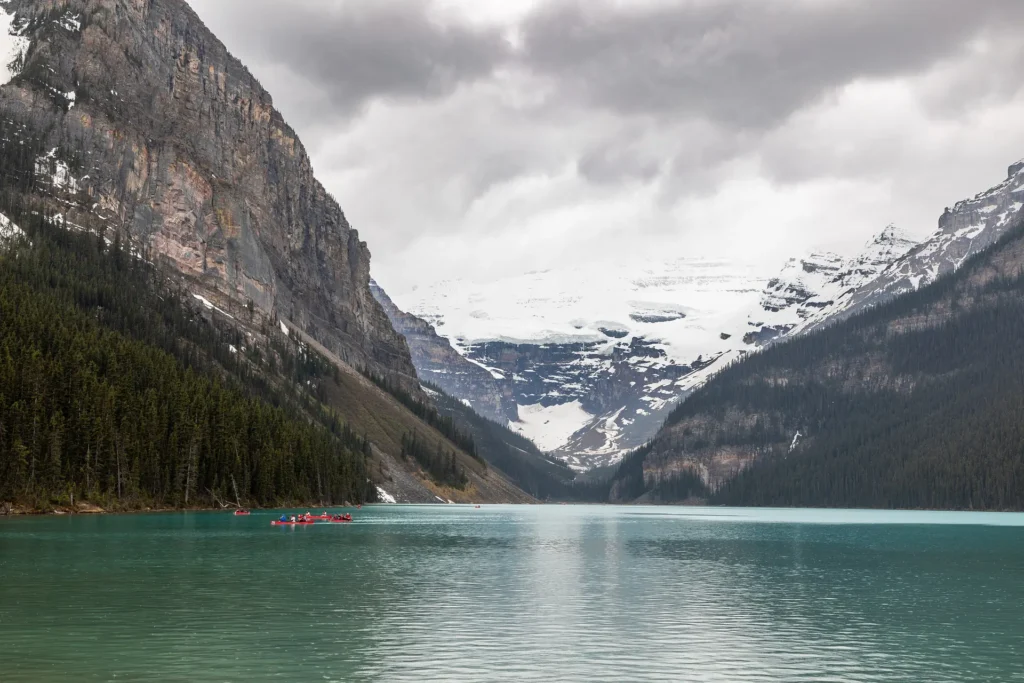
Lake Louise is the other half of your shuttle day, a short ride away on the Lake Connector. In summer, walk the lakeshore or hike to the Lake Agnes or Plain of Six Glaciers teahouses, which Parks Canada says open in mid-May and close after Canadian Thanksgiving.
A simple 4-day Banff trip from Halifax
This plan keeps things relaxed and works with or without a car.
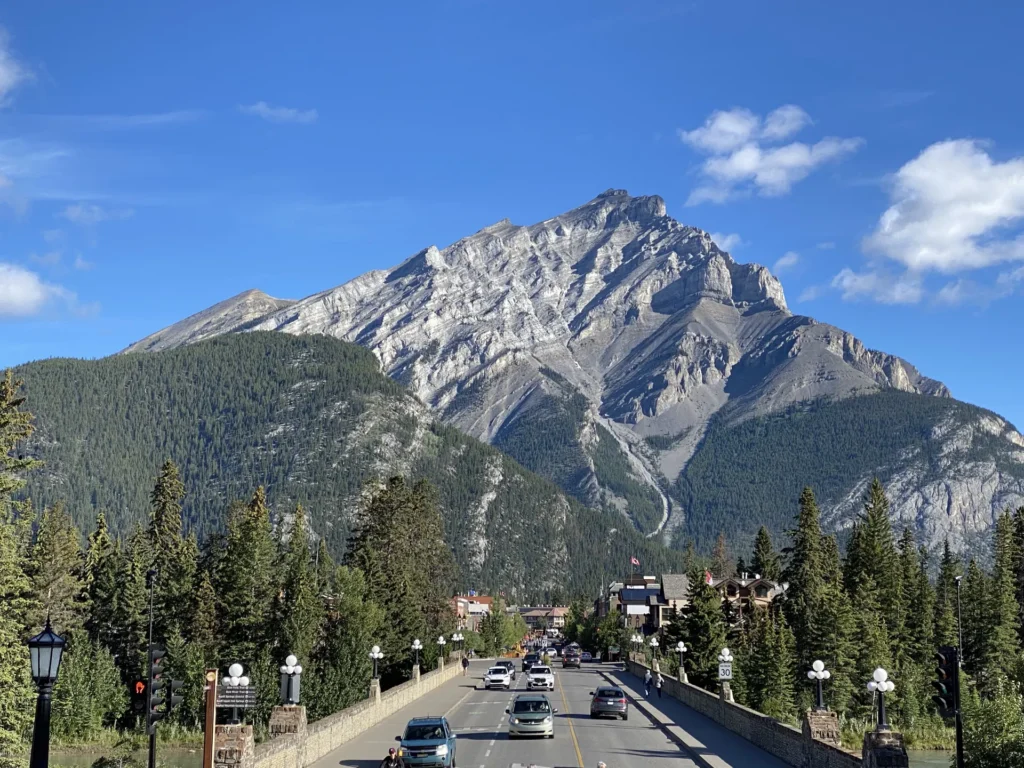
- Day 1: Halifax to Banff. Take a morning WestJet flight to Calgary, then a shuttle or rental car to Banff. Walk Banff Avenue at sunset with Cascade Mountain towering over the street.
- Day 2: Moraine Lake and Lake Louise. Drive or take Roam to the Lake Louise area, ride your reserved shuttle to Moraine Lake first, then hop the Lake Connector to Lake Louise in the afternoon.
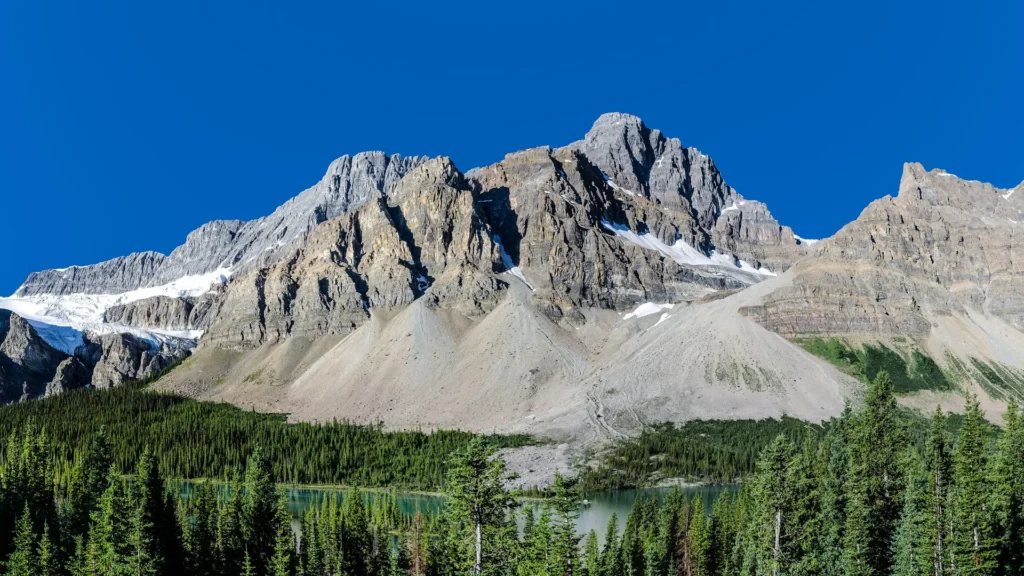
- Day 3: Your choice. With a car, head up the Icefields Parkway for a few hours to Bow Lake and the viewpoints beyond (you’ll need your park pass for this route). Without one, use Roam buses to reach the Banff Gondola, Johnston Canyon or Lake Minnewanka.
- Day 4: Back to Calgary and home. Banff Airporter suggests booking a shuttle that leaves Banff four to five hours before your flight. Remember you lose three hours flying east, so an afternoon flight can land in Halifax late at night.
How to keep the trip affordable
Banff isn’t a budget destination in peak summer, but a few choices make a big difference:
- Travel midweek. Holiday and larch-season weekends are the busiest, so weekdays in June or September give you the best shot at shuttle seats and hotel availability.
- Compare bases. Canmore sits on the way to Banff and is worth pricing alongside Banff and Lake Louise. Compare hotels on Trip.com to see where your dates are cheapest.
- Skip the car if you can. Between airport shuttles, Roam and the Parks Canada shuttle, you may not need one.
- Do the park pass maths. A daily park pass is valid until 4 p.m. the day after you buy it. If you’ll visit several national parks in a year (Cape Breton Highlands and Kejimkujik included), an annual Parks Canada Discovery Pass may pay off. Youth 17 and under get in free.
- Pack your own lunch. There are no services at Moraine Lake anyway.
Do you need travel insurance for Alberta?
The Government of Nova Scotia says MSI covers medically necessary insured services in other provinces through reciprocal billing, but it doesn’t cover ground or air ambulance outside Nova Scotia, and some extended benefits are limited. The province recommends medical travel insurance for that reason. In the mountains, that ambulance gap matters. You can compare travel insurance plans before you go, or check what your credit card or workplace plan already covers. Outside Nova Scotia? Check your own province’s rules.
Trip essentials for Banff and Moraine Lake
Hand-picked tools we’d use ourselves. Always check current prices and terms before you buy.
- Flights from HalifaxCompare Halifax–Calgary fares across airlines. Search Aviasales →
- Rental cars at YYCCompare rental companies at Calgary airport in one search. Search DiscoverCars →
- Hotels in Banff and CanmoreCheck where your dates are cheapest. Compare on Trip.com →
- Airport transfersPrefer a private ride from the airport? Compare pre-booked transfers. Check Kiwitaxi →
- Travel insuranceYour health card won’t cover an ambulance outside your province. Compare plans → or get a TuGo quote →
- Tours and attractionsBrowse tickets for things to do in the Rockies. Browse Tiqets →
Plan the rest of your trips
- Rather stay closer to home? Try our Cabot Trail road trip itinerary, no flight needed.
- Heading overseas next? Read our guide to the best eSIM for Canadians travelling abroad.
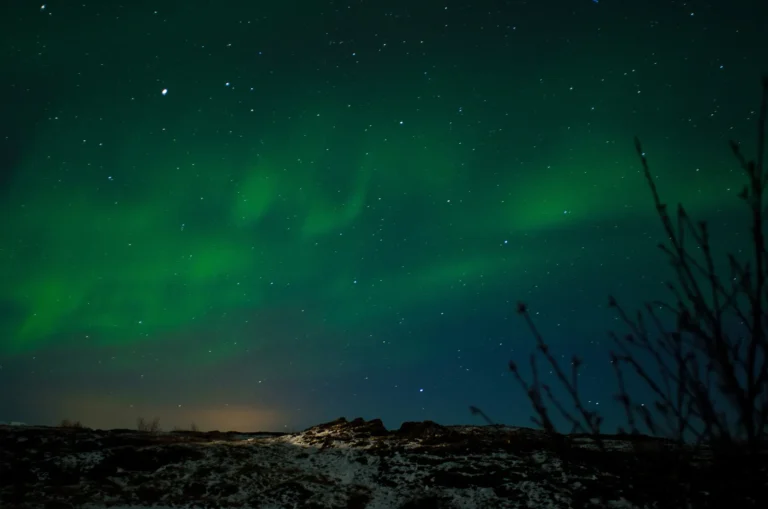
- Next on the list: the northern lights in Iceland, from Halifax.
- Going west again in winter? Our Canadian northern lights tours guide covers Yellowknife and Whitehorse from Halifax.
- Browse every guide on our travel guides page.
FAQ: Halifax to Banff and Moraine Lake
Is there a direct flight from Halifax to Calgary?
Yes. According to Halifax Stanfield’s non-stop schedule, WestJet flies Halifax to Calgary non-stop year-round, up to four times a day at peak. Always confirm current schedules with the airline before booking.
Can you drive your own car to Moraine Lake?
No. Parks Canada says Moraine Lake Road is closed to personal vehicles year-round. You can get there on a Parks Canada shuttle, with a licensed commercial tour, or as a registered guest of Moraine Lake Lodge.
When is Moraine Lake open?
Usually from early June to mid-October, depending on the weather. In 2026 the Parks Canada Moraine Lake shuttle ran from June 1 to October 12. In winter the road is used for skiing and the lake is inaccessible because of avalanche hazard.
How do I book the Moraine Lake shuttle?
Through the Parks Canada Reservation Service, online or by phone at 1-877-737-3783. In 2026 reservations opened on April 15, with more seats released at 8 a.m. Mountain Time two days before each departure. A park pass is also required and isn’t included in the shuttle ticket.
How far is Banff from Calgary airport?
The Town of Banff says Banff is 128 km west of Calgary, about 1.5 hours by highway. Airport shuttles usually take around two hours because they stop at hotels.
Sources: Parks Canada, the Town of Banff, Roam Public Transit, Banff Airporter, the Government of Nova Scotia and Halifax Stanfield, checked in October 2026. Rules and schedules change; confirm before you book.
Featured photo: Moraine Lake and the Valley of the Ten Peaks. Photo: Florian Fuchs via Wikimedia Commons, CC BY 3.0 (licence).
Related guides

The Moonlight Letter
Get Halifax & Atlantic Canada travel deals
Cheap-flight finds from YHZ, road-trip ideas and new guides, straight to your inbox.
We'll only use your email to send Moonlight Travel deals and guides. Unsubscribe anytime. See our Privacy Policy.